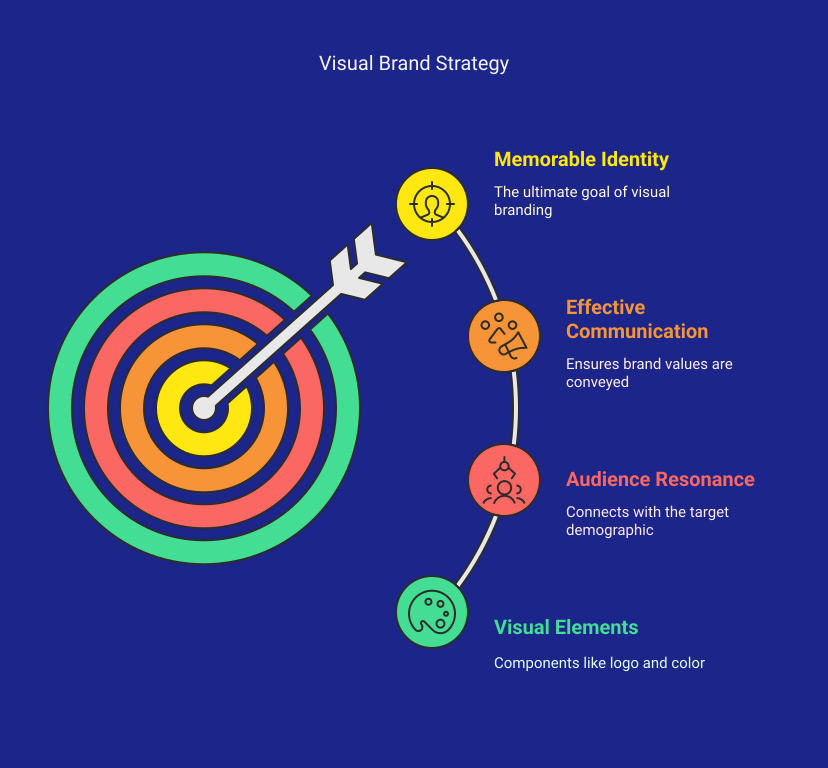
Creating a strong visual brand is essential for any business looking to establish a memorable identity in a competitive market. This document outlines key strategies and elements to consider when developing a visual brand that resonates with your target audience and communicates your brand values effectively.
Understanding Your Brand Identity
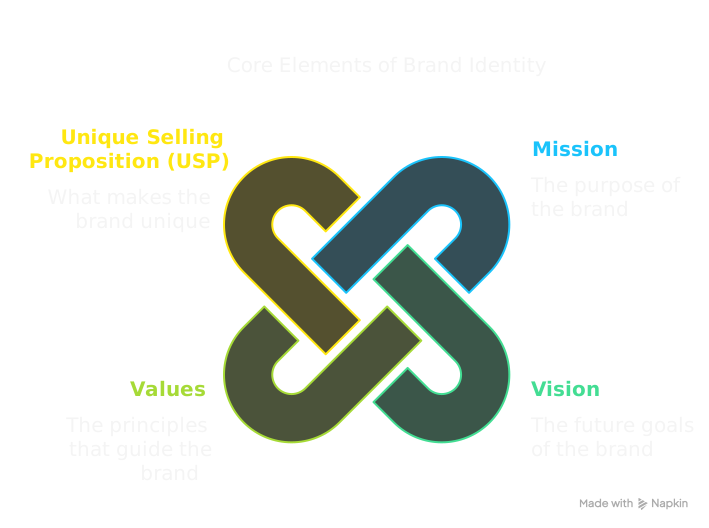
Before diving into visual elements, it’s crucial to define your brand identity. This includes your mission, vision, values, and the unique selling proposition (USP) that sets you apart from competitors. Understanding these core elements will guide your visual branding decisions.
Key Elements of Visual Branding
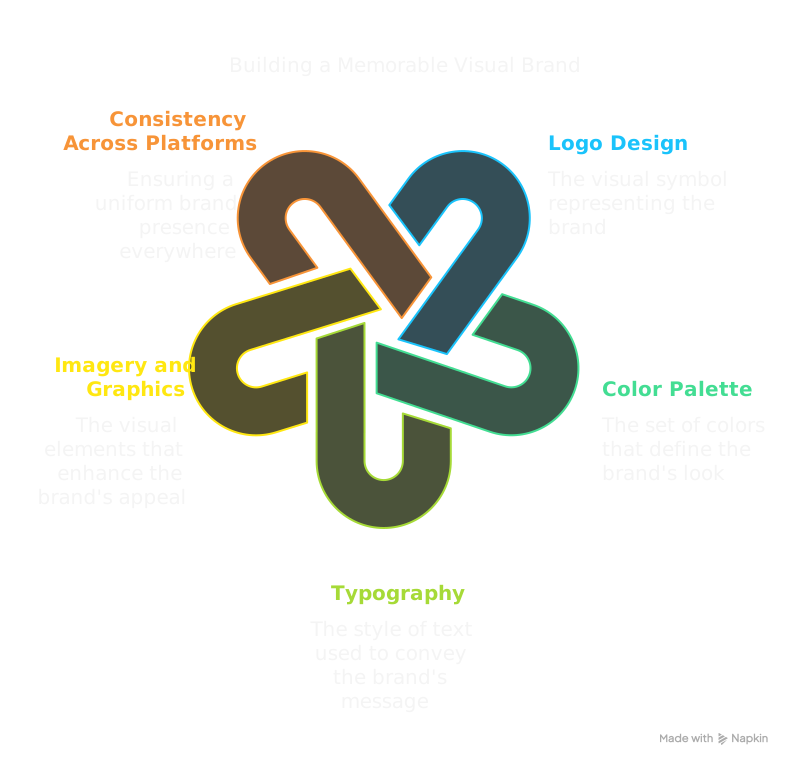
1. Logo Design
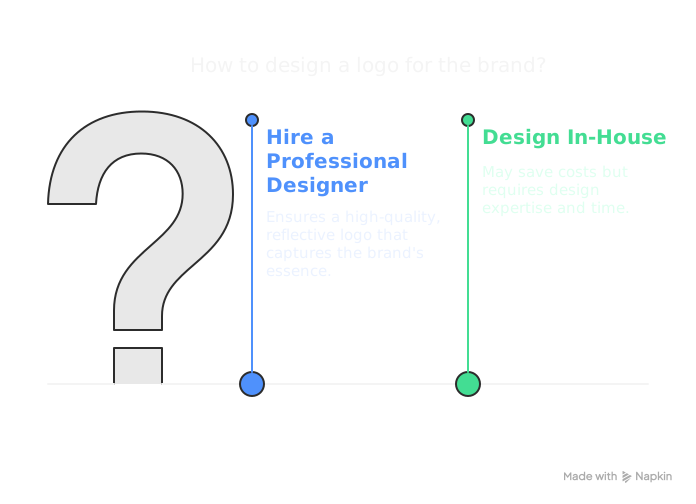
Your logo is often the first impression customers have of your brand. It should be simple, memorable, and reflective of your brand identity. Consider hiring a professional designer to create a logo that captures the essence of your business.
2. Color Palette
Colors evoke emotions and can significantly influence consumer behavior. Choose a color palette that aligns with your brand personality. For example, blue often conveys trust and professionalism, while red can evoke excitement and passion. Limit your palette to a few primary colors to maintain consistency.

3. Typography
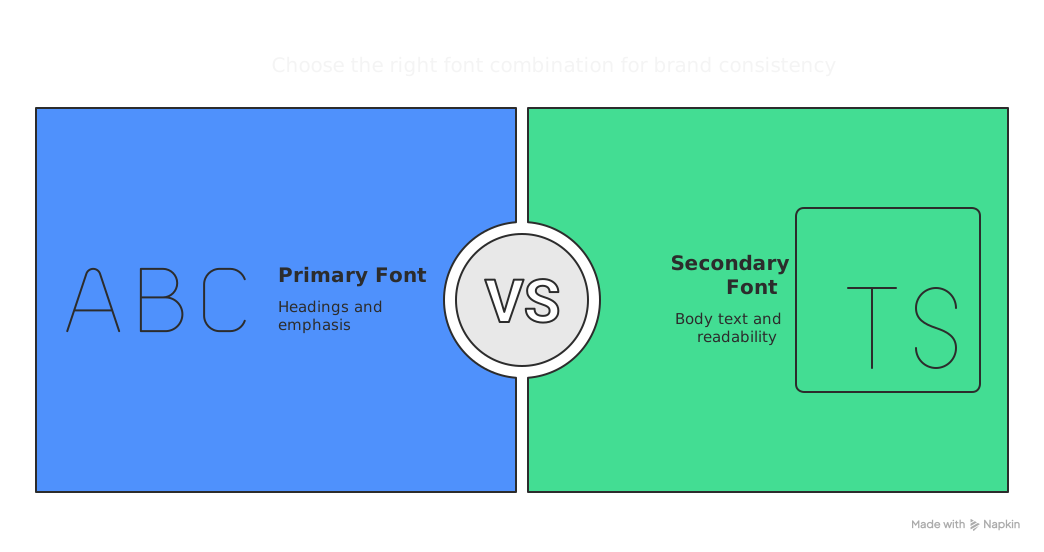
The fonts you choose should complement your brand’s personality and be easy to read. Consider using a combination of a primary font for headings and a secondary font for body text. Ensure that your typography is consistent across all platforms and materials.
4. Imagery and Graphics
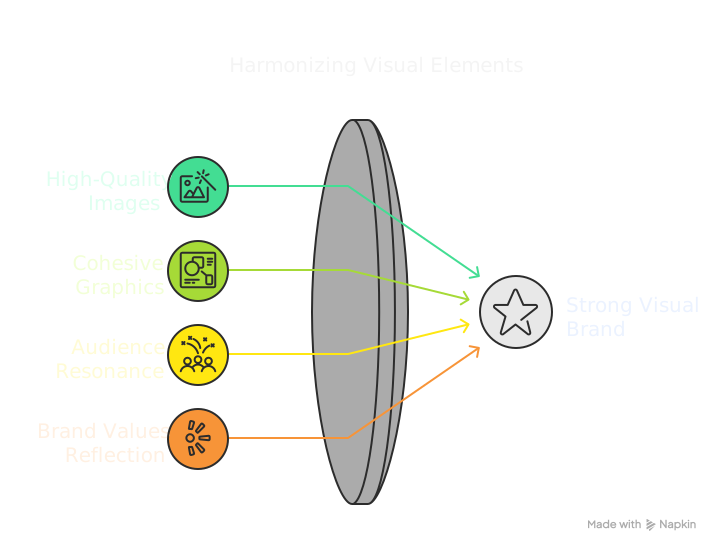
High-quality images and graphics play a vital role in visual branding. Use visuals that resonate with your audience and reflect your brand’s values. Whether it’s photographs, illustrations, or icons, ensure they are cohesive and align with your overall brand aesthetic.
5. Consistency Across Platforms
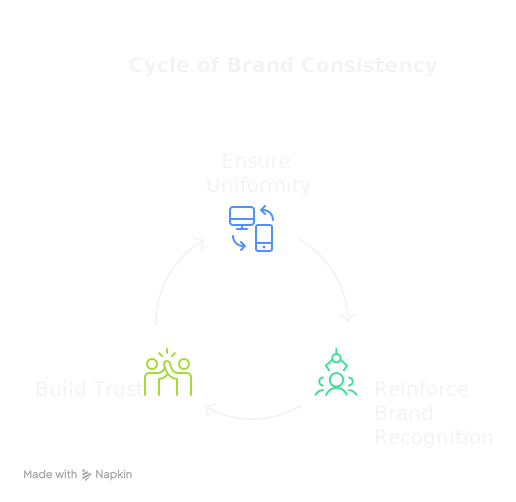
Consistency is key in visual branding. Ensure that your logo, color palette, typography, and imagery are uniform across all platforms, including your website, social media, and marketing materials. This helps reinforce brand recognition and builds trust with your audience.
Building a Visual Brand Strategy
1. Research Your Audience
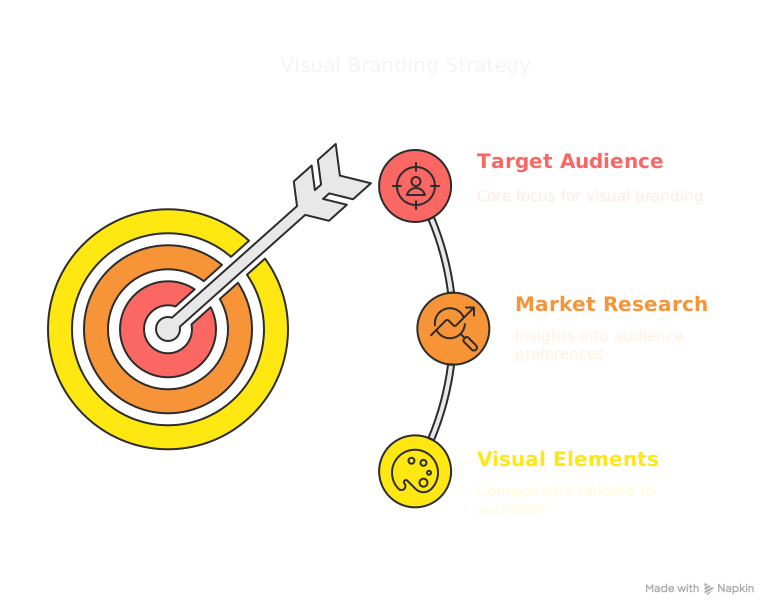
Understanding your target audience is crucial for effective visual branding. Conduct market research to identify their preferences, behaviors, and values. Tailor your visual elements to resonate with them.
2. Create Brand Guidelines
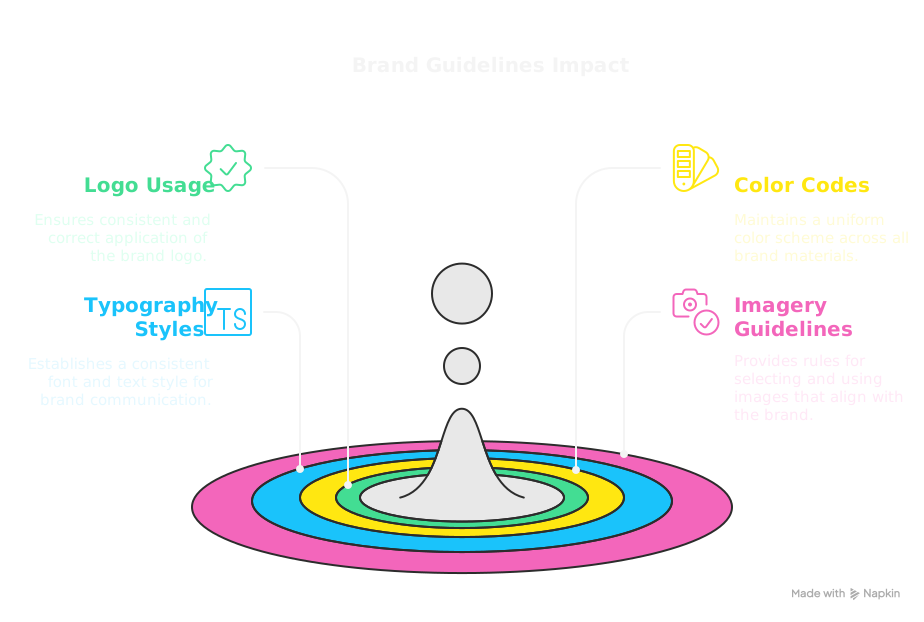
Develop comprehensive brand guidelines that outline how to use your visual elements. This should include specifications for logo usage, color codes, typography styles, and imagery guidelines. These guidelines will ensure consistency as your brand grows.
3. Test and Iterate
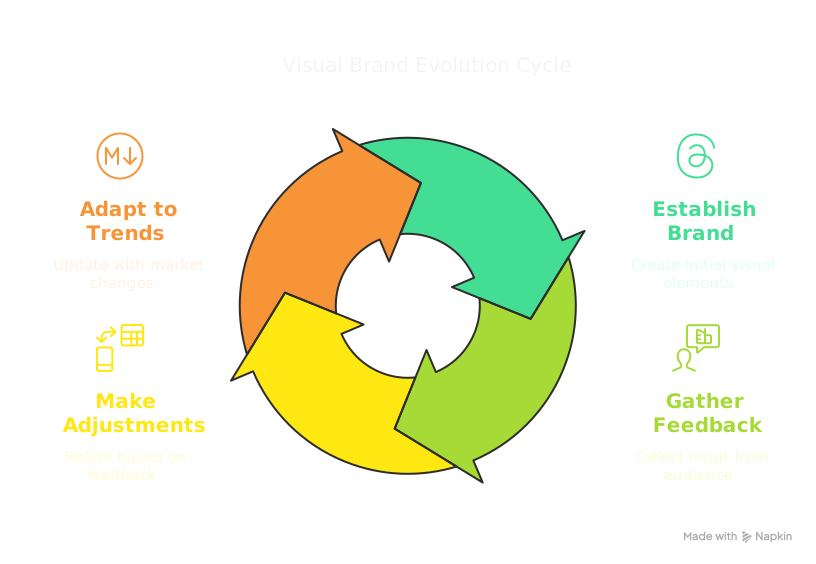
Once you’ve established your visual brand, gather feedback from your audience and stakeholders. Be open to making adjustments based on their input. A strong visual brand evolves over time and should adapt to changing market trends and consumer preferences.
Conclusion
Building a strong visual brand is an ongoing process that requires careful planning and execution. By understanding your brand identity, focusing on key visual elements, and maintaining consistency, you can create a memorable brand that stands out in the marketplace. Remember, your visual brand is not just about aesthetics; it’s about communicating your values and connecting with your audience on a deeper level.